Event: STI 100³ (100 Scientists, 100 Days, 100 Schools) Programme
Theme: EcoGold Vermicomposting Initiative
Venue: Sekolah Kebangsaan Sri Pulai Perdana
Sponsor: Ministry of Science, Technology and Innovation (MOSTI)
Date: 28th January, 4th February and 7th February 2026
Sixty Standard 6 students from Sekolah Kebangsaan Sri Pulai Perdana recently took part in an engaging community science program focused on sustainable waste management and environmental awareness. The initiative, funded by the Ministry of Science, Technology and Innovation (MOSTI) under the Science, Technology and Innovation (STI) 100^ Scientist, introduced students to the principles and practices of vermiculture and vermicomposting through the innovative EcoGold system.
The project was implemented in three phases, with 20 students participating in each phase, allowing for focused guidance and interactive learning. Designed to combine scientific knowledge with hands-on experience, the programme aimed to cultivate environmental responsibility among young learners while introducing them to practical biotechnology applications.
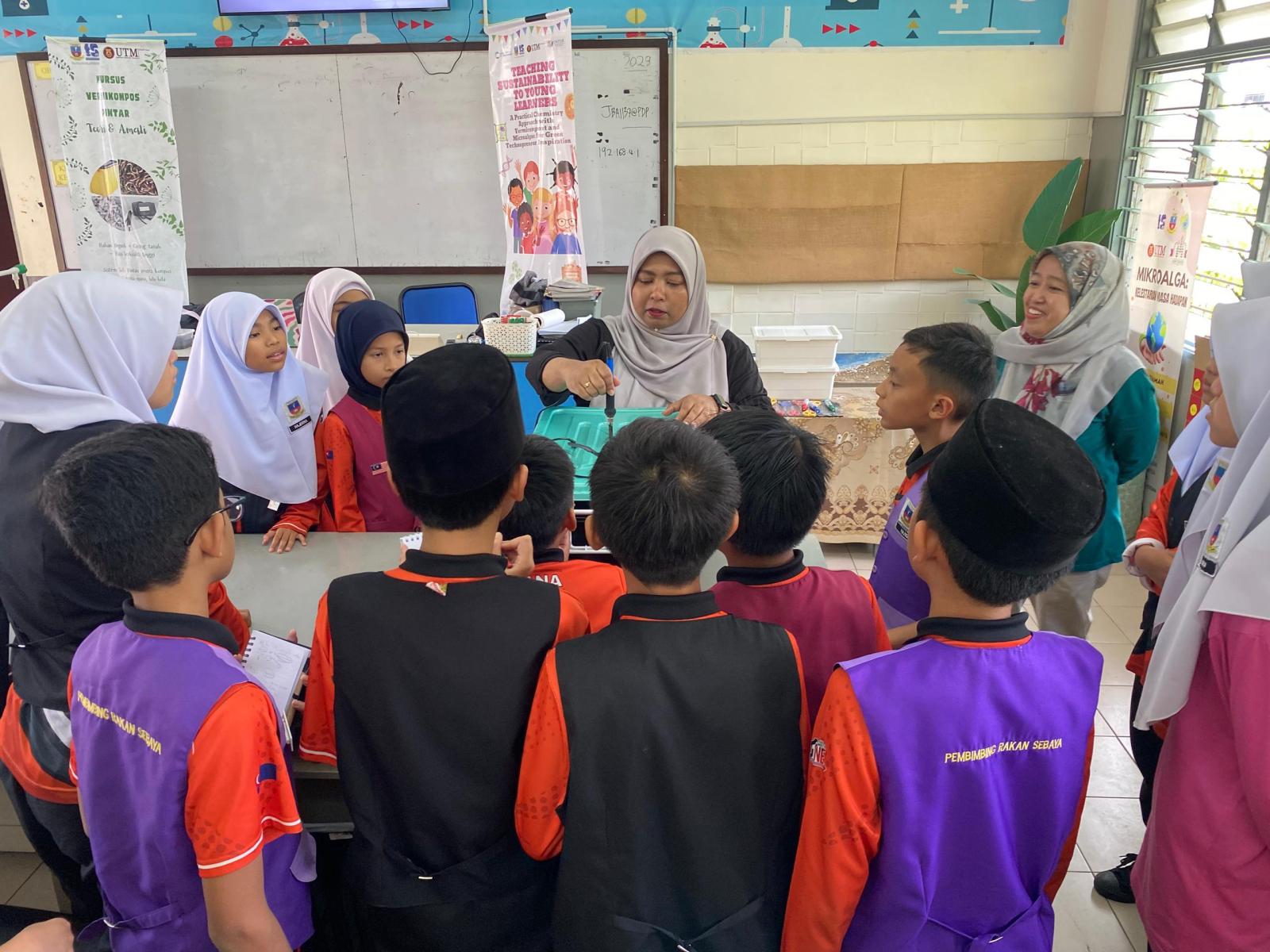
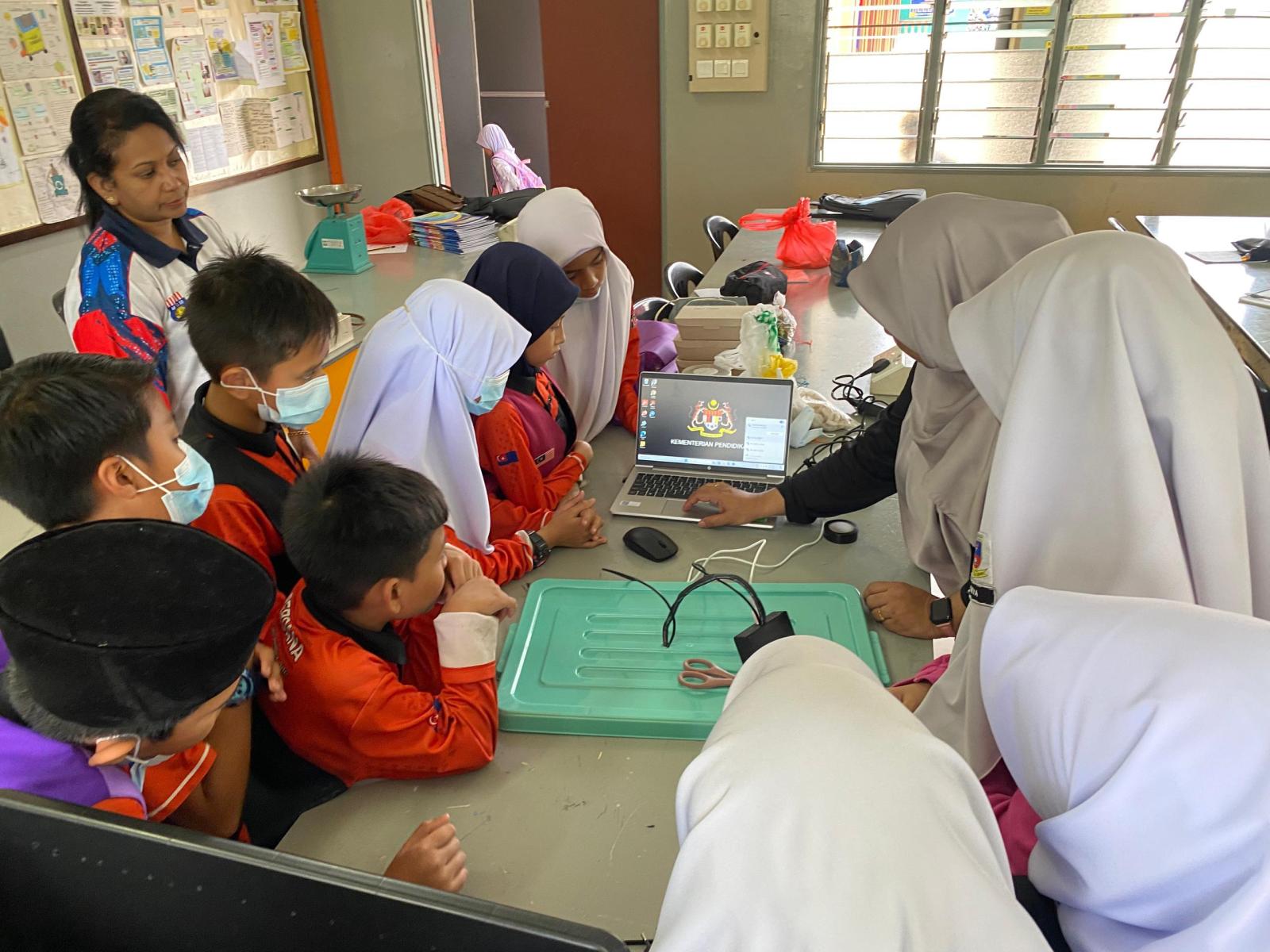
Each phase of the programme was divided into two key learning components: theory and practical sessions. During the theoretical sessions, students were introduced to the fundamentals of vermiculture, the process of cultivating earthworms, and vermicomposting, a sustainable method of converting organic waste into nutrient-rich compost. Facilitators explained how microorganisms and earthworms work together to decompose food waste, improve soil health, and reduce environmental pollution.
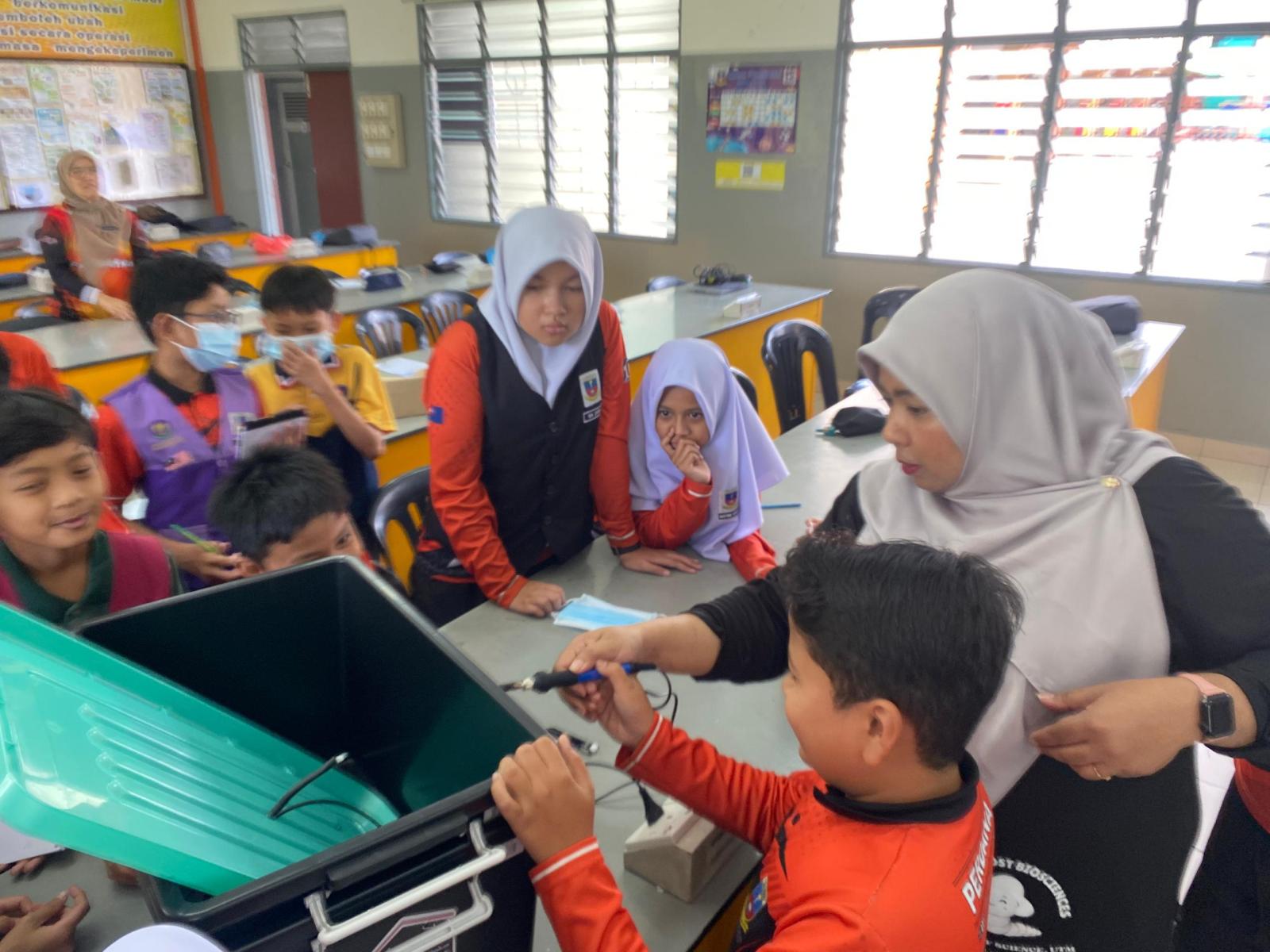
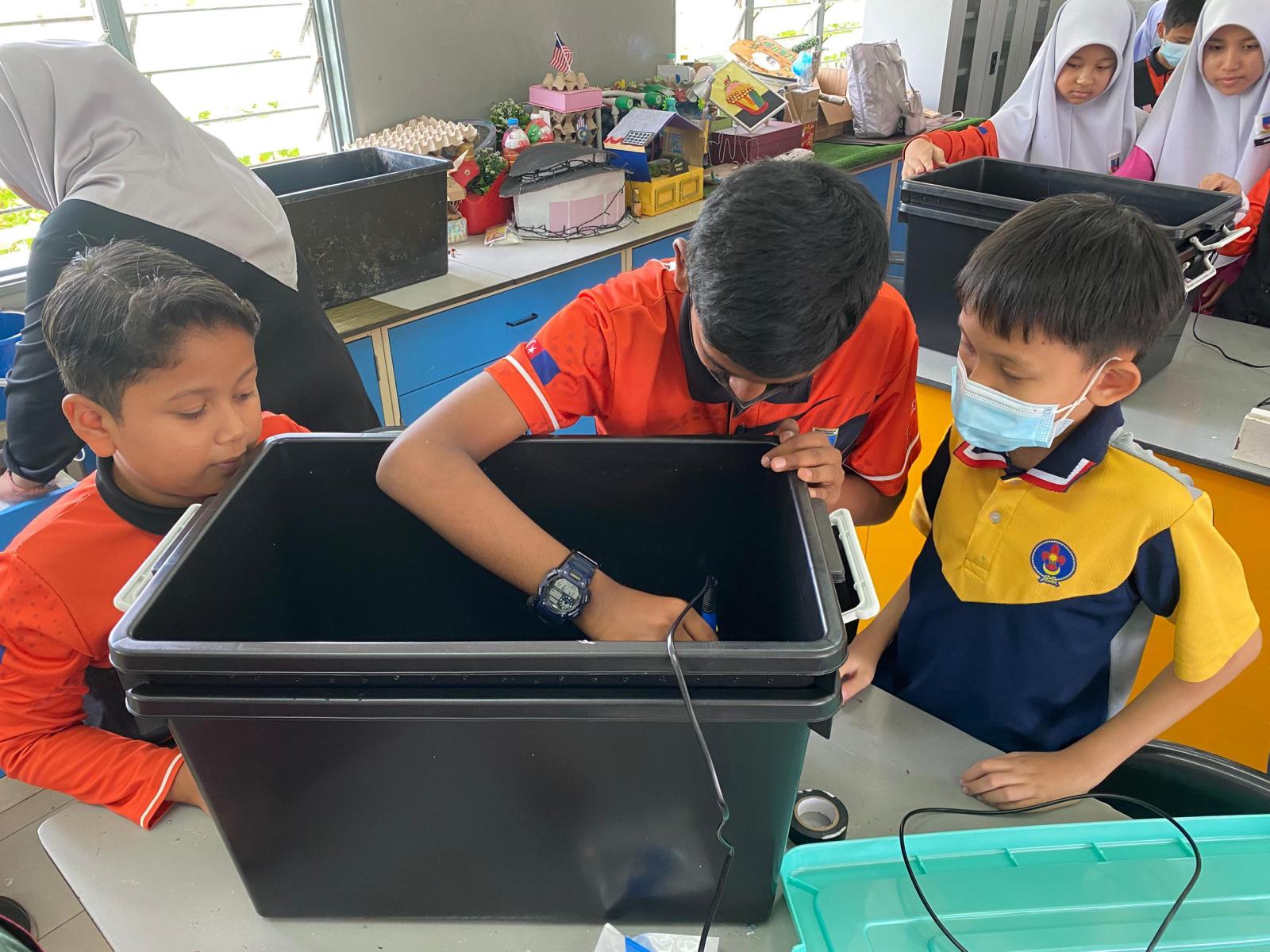
The practical sessions allowed students to directly apply what they had learned. Under the guidance of instructors, students prepared composting materials, handled earthworms, and set up their own vermicomposting systems using the EcoGold approach. Through these activities, participants observed how organic waste can be transformed into valuable fertilizer for plants.
Students responded enthusiastically to the hands-on activities, expressing excitement as they learned about the ecological role of earthworms and the importance of sustainable waste management. Many participants noted that the experience helped them better understand how simple environmental practices can contribute to protecting the planet.
Beyond scientific learning, the programme also aimed to inspire environmental stewardship among young students. By introducing sustainability concepts at an early age, the EcoGold project hopes to nurture future generations who are more conscious about waste management, soil health, and ecological balance.
Organizers highlighted that community-based science initiatives such as this play an important role in bridging scientific research and public awareness. Through the collaboration between educators, researchers, and schools, the programme demonstrates how biotechnology knowledge can be translated into meaningful community engagement.
The EcoGold vermicomposting initiative represents a significant step toward promoting science literacy, environmental sustainability, and practical STEM learning among primary school students in Malaysia.