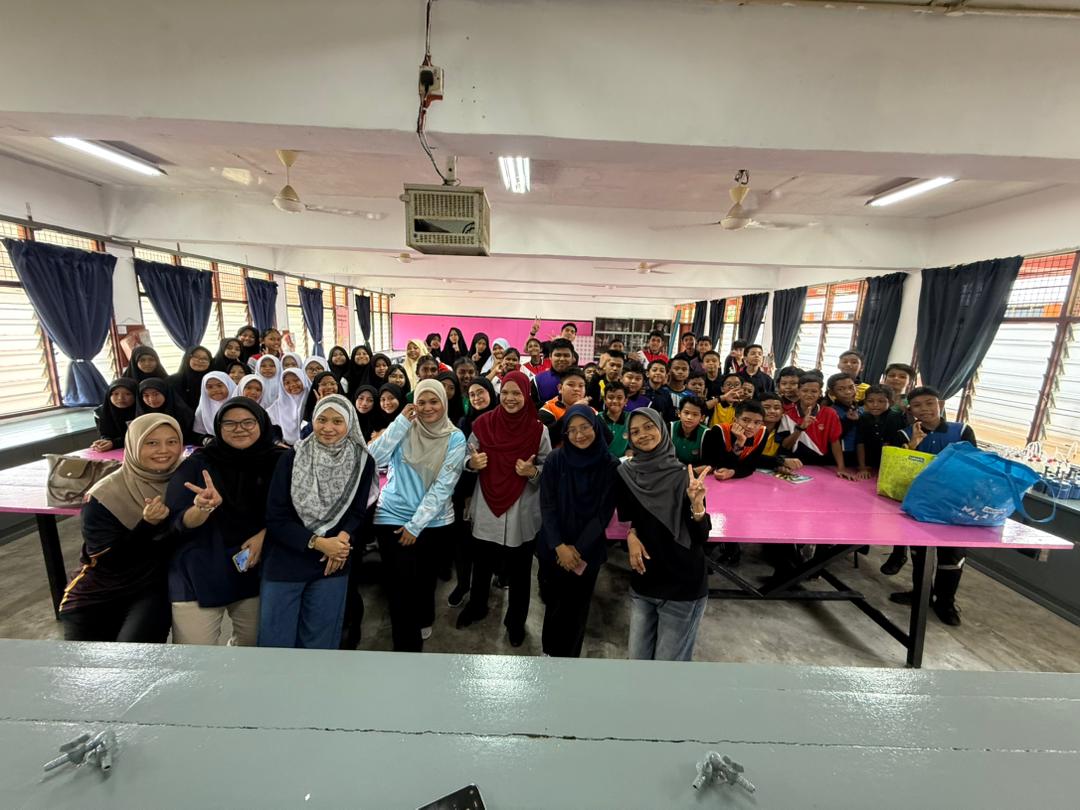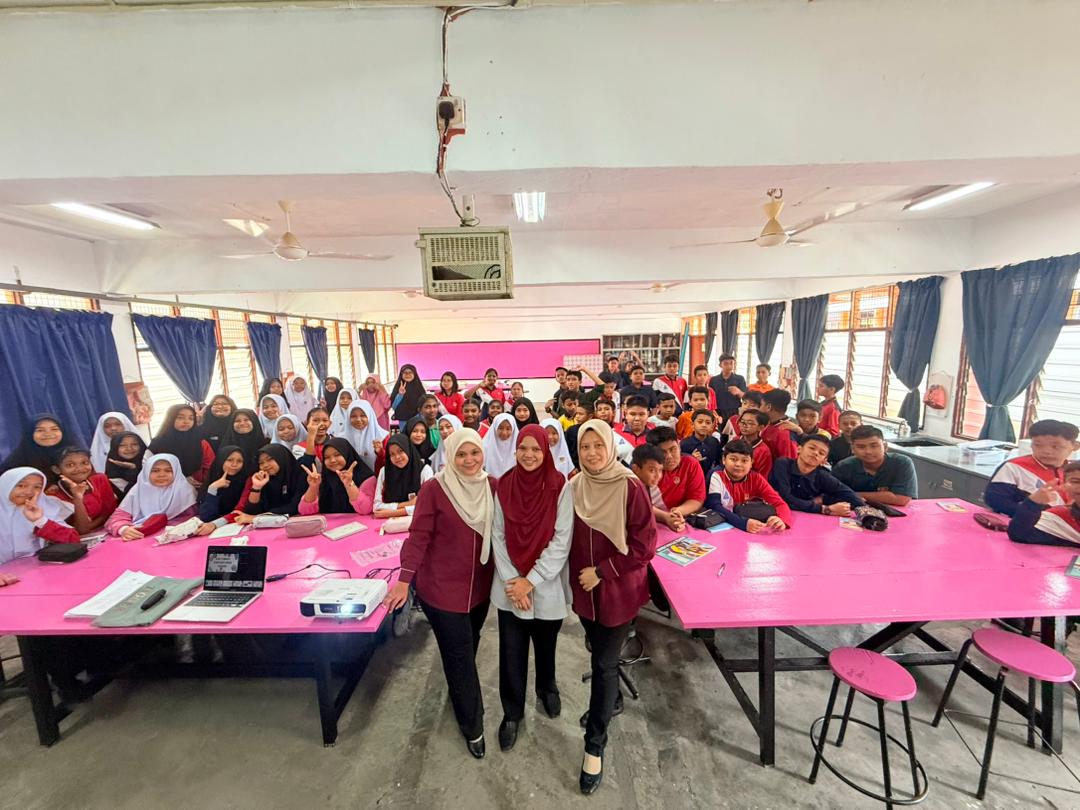
A group of 64 Form 1 students from SMK Sri Rahmat, Johor Bahru, recently participated in an interactive science outreach programme led by Dr Siti Halimah Hasmoni from the Department of Biosciences, Faculty of Science, Universiti Teknologi Malaysia (UTM). The programme was made possible through funding from the Ministry of Science, Technology and Innovation (MOSTI) under the Science, Technology and Innovation (STI) 100³ initiative, which aims to cultivate interest in STEM among school students across Malaysia.
Led by Dr. Siti Halimah Hasmoni, with Puan Suhaidah Suleiman, Puan Farah Wahida Zaimuddin and nine undergraduate student of BSc Biology and BSc Industrial Biology, the programme was designed to provide foundational knowledge of microorganisms and their roles in everyday life. The initiative emphasised both awareness and appreciation of microbiology, highlighting its importance in health, environment, and biotechnology.
The programme was implemented across three interactive sessions, with all 64 students participating throughout. This structured approach allowed for continuity in learning while ensuring students could progressively build their understanding through both theoretical and hands-on experiences.
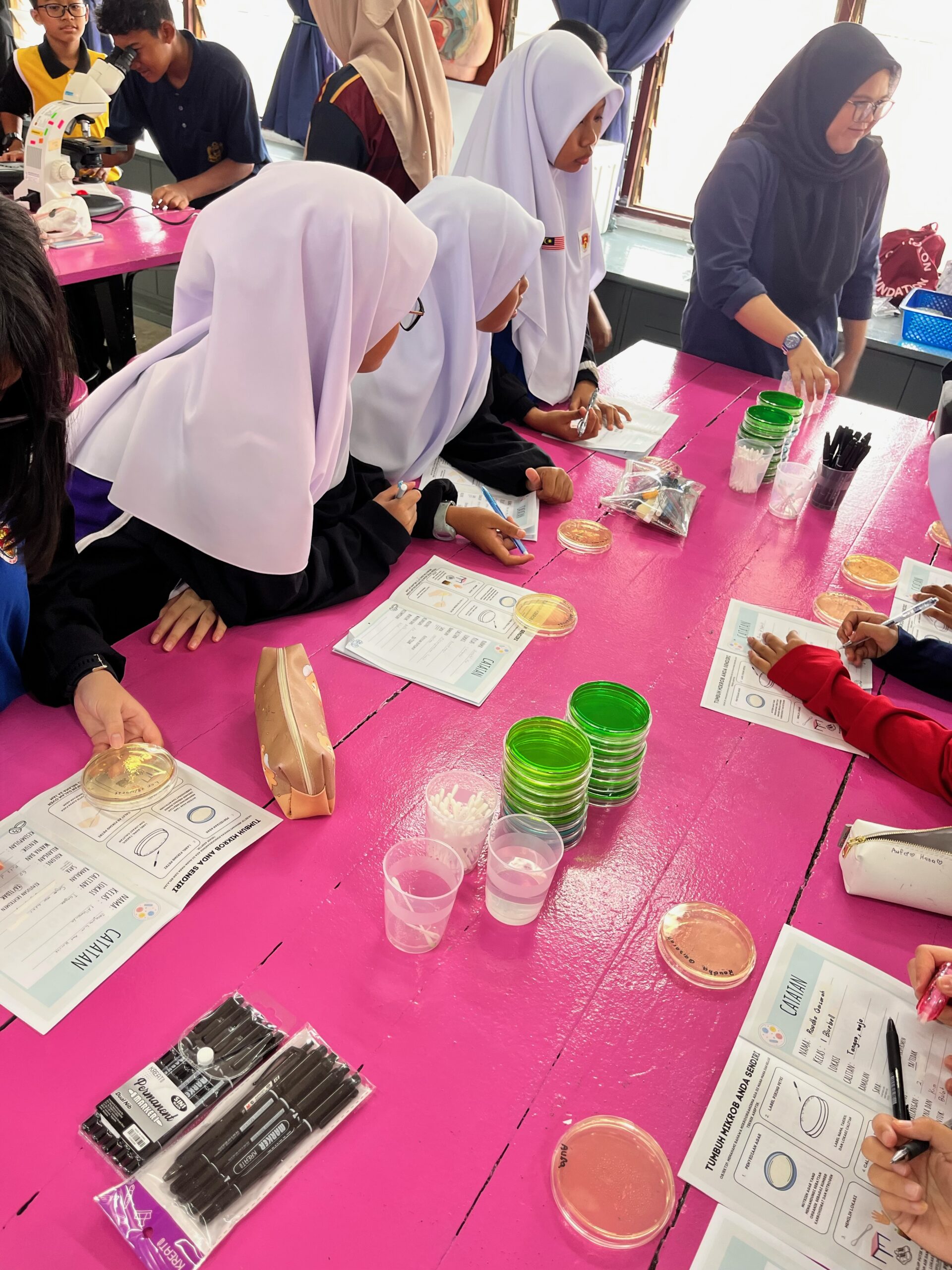
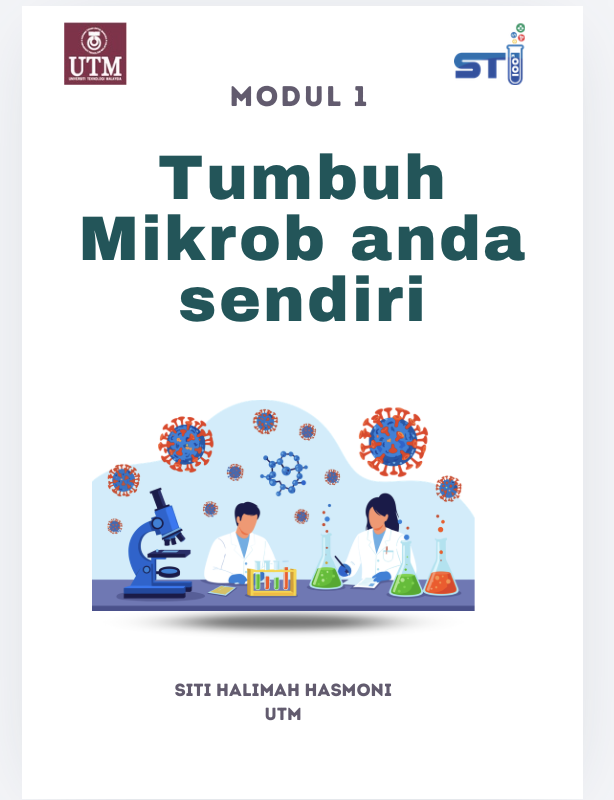
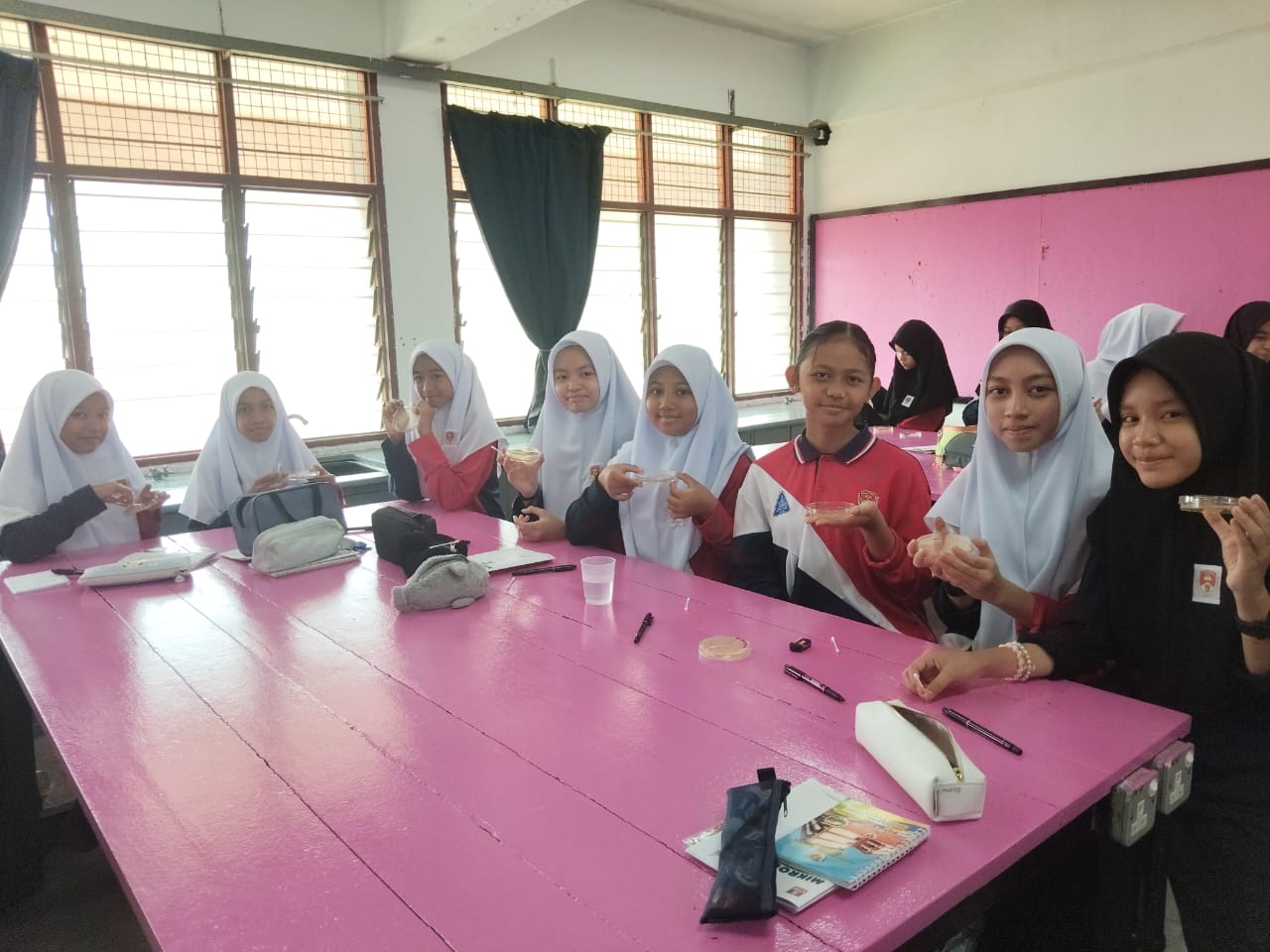
During the first session, students were introduced to the basics of microbiology, including the types of microorganisms, their habitats, and their beneficial and harmful effects. The session also featured a hands-on activity titled “Grow Your Own Microbes,” where students explored microbial growth in a safe and guided setting. Additionally, students were exposed to potential career pathways in microbiology, broadening their perspective on future opportunities in science.
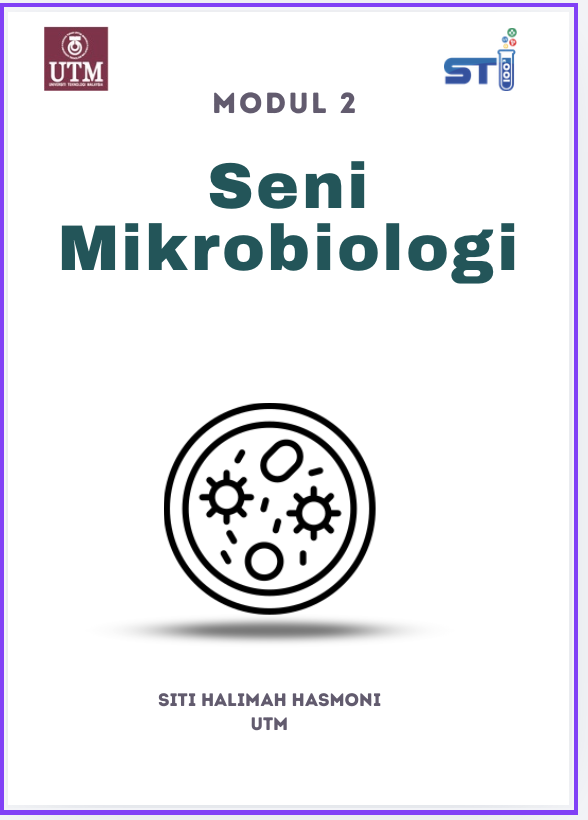
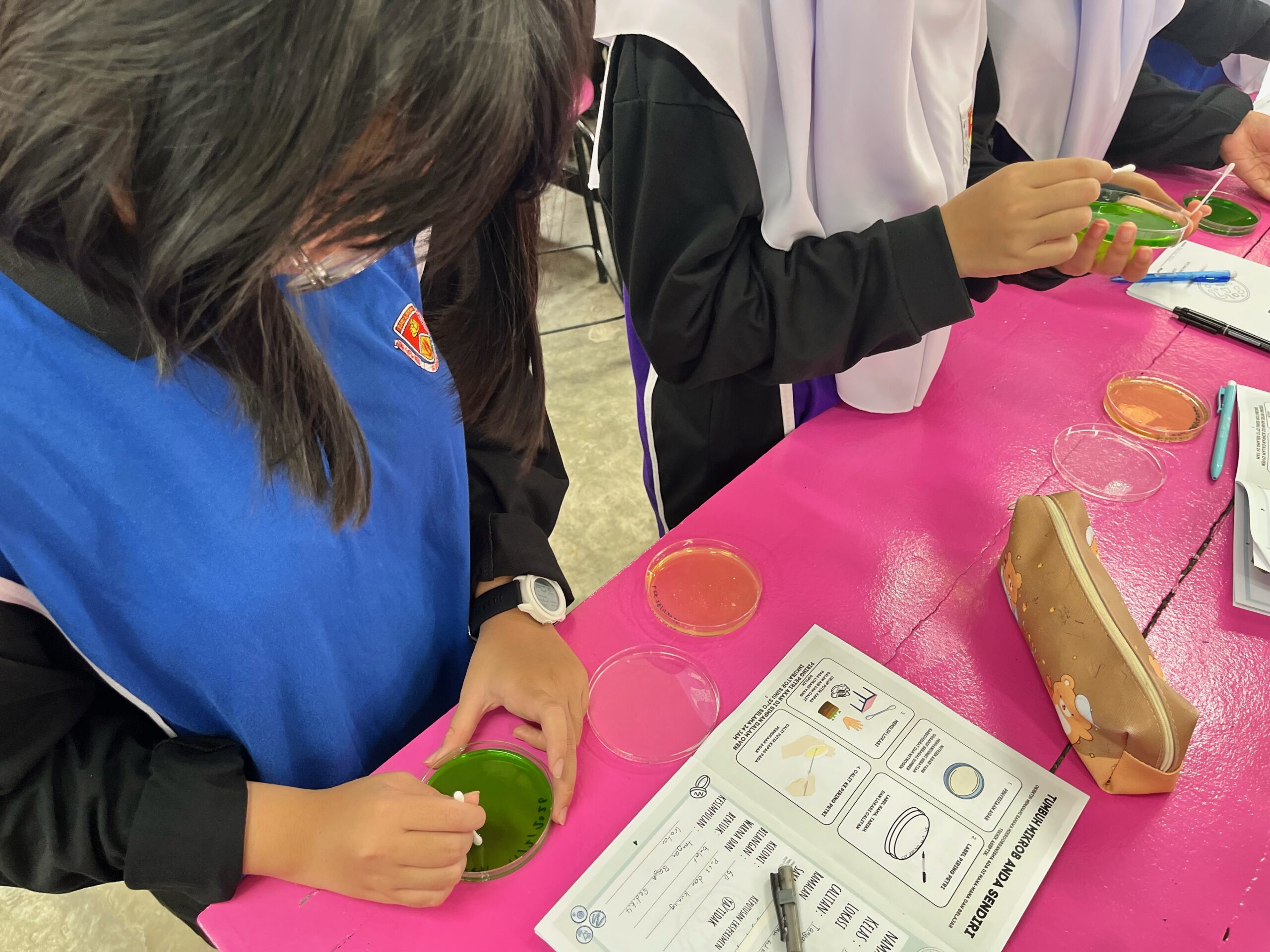
The second session combined creativity and science through “Microbiology Art,” where students used coloured nutrient agar to design and observe microbial growth patterns. This session also introduced the use of microscopes, enabling students to observe bacterial shapes and structures firsthand. Interactive activities such as matching exercises helped reinforce their understanding of microbial applications in real life.
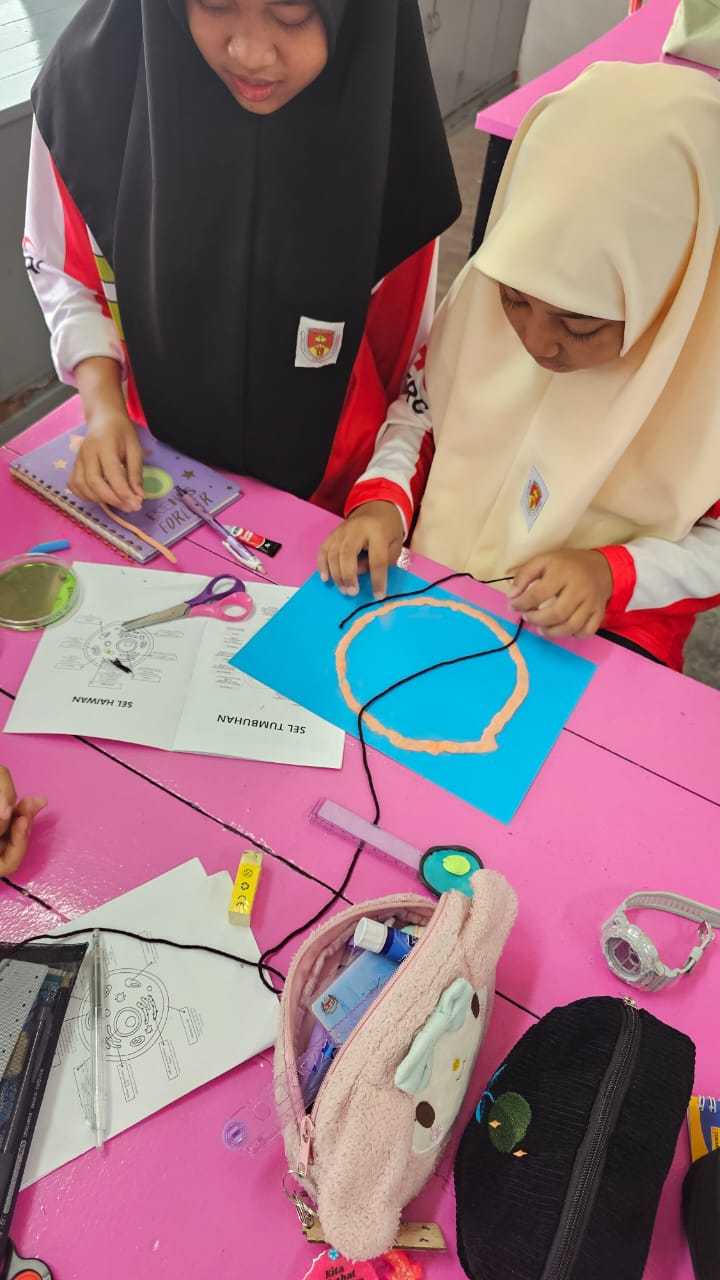
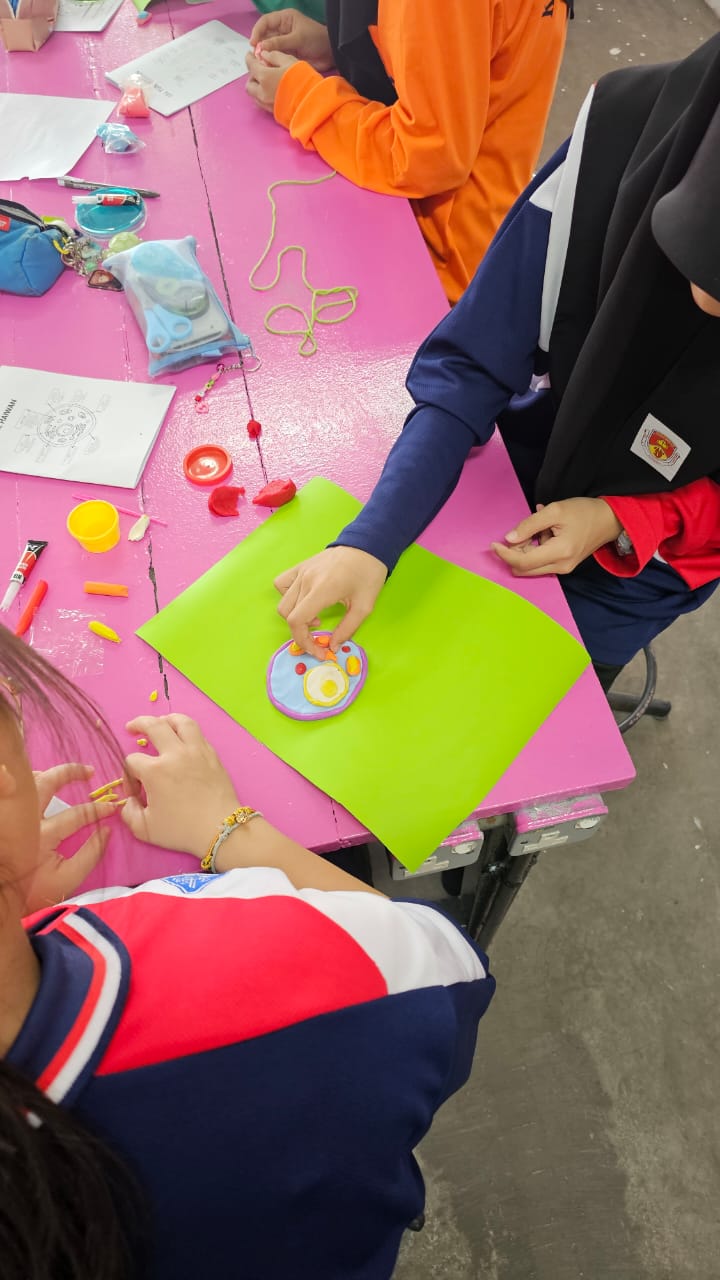
In the final session, students learned about cell structure and function through hands-on model-building activities using clay and balloons. This interactive approach helped simplify complex biological concepts while encouraging active participation and collaborative learning.
Throughout the programme, students showed strong enthusiasm, particularly during the practical sessions that allowed them to experience science beyond textbooks. The activities also reinforced awareness of hygiene and disease prevention, demonstrating the relevance of microbiology in daily life.
Importantly, the programme reflects the broader goals of MOSTI’s STI 100³ initiative—to promote science literacy, encourage innovation, and inspire the next generation of scientists. By supporting outreach efforts such as this, MOSTI continues to strengthen the connection between scientific research and society.
The success of this programme highlights the impact of strategic collaboration between government agencies and academic institutions. Through UTM’s active role in community engagement, initiatives like this not only enhance STEM awareness but also empower young learners to envision future careers in science and technology.
With positive responses from participants and the school, there is strong potential for continued collaboration, further expanding the reach and impact of MOSTI-funded STEM programmes at the grassroots level.
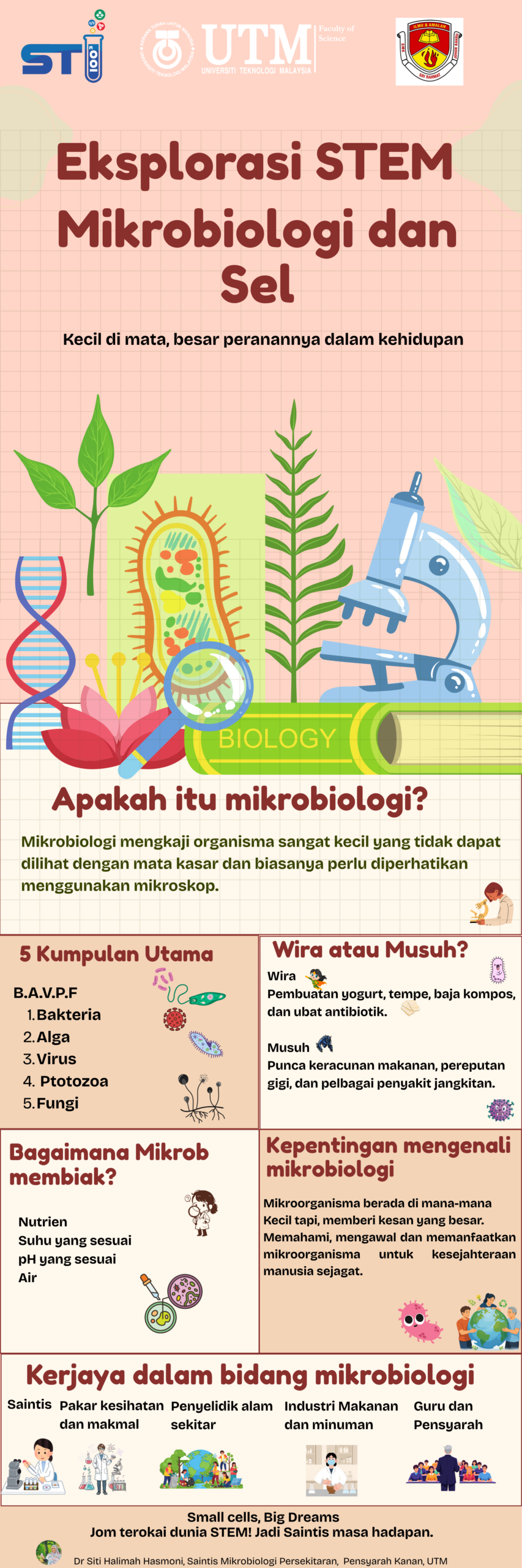
Microbes: Friend or Foe?
Activities
Grow your own Microbe
Microbe Art
Cell Architect